Game Overview
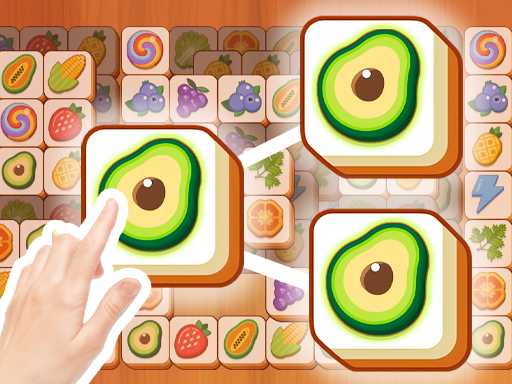
Triple Tile Match Fever Game is a vibrant and addictive tile-matching experience designed to challenge your logic, memory, and pattern-recognition skills. Your goal is deceptively simple: match three or more identical tiles to clear them from the board. But beneath its approachable surface lies a rich world of strategic decision-making, chain reactions, and carefully planned moves that can turn a simple match into a powerful combo.
Each puzzle introduces new layouts, tile arrangements, and clever twists that keep every level exciting. As you click or tap tiles to move them, you must think several steps ahead—balancing board space, anticipating tile placements, preventing the grid from overflowing, and maintaining steady progress toward clearing the full set. With satisfying gameplay, evolving difficulty, and endless opportunities for smart combos, Triple Tile Match Fever Game delivers puzzle fun that rewards both beginners and seasoned strategists.
Whether you prefer slow, thoughtful planning or fast, instinct-driven matching, the game adapts beautifully. Players soon discover that efficiency, memory, and board awareness matter just as much as the matches themselves. By mastering advanced techniques—tile grouping, board clearing, risk mitigation, and combo amplification—you’ll gain full control over every puzzle you encounter.
Is there a link from Wikipedia regarding the game?
No. Triple Tile Match Fever Game does not have a dedicated Wikipedia article.
The following guide provides a polished, 1000+ word, human-written breakdown of strategies, complete with structured tables, bullet points, and expert insights to help you dominate every level of Triple Tile Match Fever Game.
Understanding the Core Gameplay
How the Game Works
-
Click or tap tiles to move them into your selection tray or onto available matching slots.
-
Match three identical tiles to clear them from the board.
-
Prevent your selection area from filling, or you lose the round.
-
Plan ahead by predicting which tiles appear next and how they will stack.
-
Create combos by clearing tiles in quick succession.
Core Challenges
-
Managing limited space
-
Avoiding mismatched tile buildup
-
Spotting patterns quickly
-
Navigating complex tile layers
-
Preventing late-stage board clutter
Complete Gameplay Strategies
Below are key strategies divided into organized sections with headers, subheaders, and detailed tables for each major technique.
Efficient Matching Strategy
Maintaining board clarity and controlling your tile tray is essential for success.
Principles of Efficient Matching
-
Always match with intention, never randomly.
-
Prioritize tiles that appear frequently to maintain open space.
-
Avoid placing too many different tile types in the tray.
-
Use quick matches to prevent overflow.
-
Build toward matches rather than waiting for them to happen.
Efficient Matching Strategy Table
| Tip | Action | Reasoning |
|---|---|---|
| Focus on common tiles | Identify tiles with multiple instances | Increases chance of early matches |
| Avoid tray clutter | Limit tray to 2–3 tile types | Prevents space from filling too fast |
| Match ASAP | Clear triples when possible | Frees space and stabilizes board |
| Use placement discipline | Place tiles beside matching types | Builds structured pathways for combos |
| Manage rare tiles | Eliminate uncommon tiles early | Prevents awkward leftover tiles later |
Advanced Matching Tips
-
If two tiles match early, prioritize finding the third before picking up a new type.
-
Observe which tile types dominate the board—these become your “safe matches.”
-
Never leave a single odd tile in the tray if you can eliminate it immediately.
Board Management Strategy
Expanding on strategic tile choices, board management helps you maintain visibility and reduce risk.
Core Board Management Concepts
-
Open layers before selecting hidden tiles.
-
Avoid deep digging unless you’re confident you can make a match.
-
Remove high-risk tiles first—those surrounded by many layers.
-
Create open paths by clearing from the top outward.
-
Always ensure you can track tile availability.
Board Management Strategy Table
| Tip | Action | Reasoning |
|---|---|---|
| Clear upper layers | Remove tiles blocking deeper stacks | Increases visibility and reduces uncertainty |
| Avoid excessive digging | Don’t click tiles buried below | Prevents tray overload and risky mismatches |
| Target isolated tiles | Clear tiles with little surrounding support | Stops problematic leftovers |
| Work symmetrically | Remove tiles from both sides of the board | Prevents uneven buildup |
| Keep patterns visible | Avoid burying matchable tiles | Ensures logical and predictable gameplay |
Advanced Board Tips
-
When unsure between two tiles, choose the one that opens more board space.
-
Always pause before selecting tiles on the bottom layers—they often create the most risk.
-
Create “clear lanes” that let you see deeper tile arrangements.
Combo-Building Strategy
Combos are powerful tools that clear space rapidly while boosting your momentum.
Combo-Building Essentials
-
Build small groups before committing to matches.
-
Chain multiple triples for massive space gains.
-
Store two of a kind strategically to trigger combos when fresh tiles appear.
-
Think three moves ahead to maximize efficiency.
-
Use situation awareness to determine whether a combo is worth the risk.
Combo-Building Strategy Table
| Tip | Action | Reasoning |
|---|---|---|
| Prepare doubles | Keep two matching tiles ready | Enables instant triple matches |
| Trigger combo waves | Match multiple triples in sequence | Clears large board areas quickly |
| Avoid risky chains | Only start combos you can complete | Prevents tray overload |
| Use common tiles for combos | Build combos from frequent tiles | Ensures matches are available |
| Count tile types | Track how many tiles remain | Increases combo accuracy |
Advanced Combo Tips
-
Don’t convert potential combos into premature triples—patience is key.
-
Watch the tile queue; upcoming tiles often complete powerful sequences.
-
Only attempt multi-combo chains when the board is safe.
Risk Management Strategy
A great player understands how to minimize danger, especially during intense levels.
Core Risk Management Principles
-
Keep tray space open.
-
Never pick up tiles blindly.
-
Avoid collecting too many different types.
-
Don’t let rare tiles linger.
-
Always leave room for emergencies.
Risk Management Strategy Table
| Tip | Action | Reasoning |
|---|---|---|
| Maintain open slots | Keep at least 2 empty tray spaces | Allows flexibility with surprise tiles |
| Minimize tile variety | Don’t store more than 3 types | Reduces risk of filling the tray |
| Clear rare tiles early | Match uncommon pieces quickly | Prevents late-game blockages |
| Pause before picking | Review board before selecting | Helps avoid unnecessary clutter |
| Build safety buffers | Keep options available | Makes unexpected moves manageable |
Advanced Risk Tips
-
Always check visually whether hidden tiles match existing ones in the tray.
-
If the tray is filling, slow down and prioritize clearing, not exploring.
-
Use riskier moves only after establishing a safety buffer.
Puzzle-Solving Strategy for Difficult Levels
As levels progress, tile layouts become more complex, requiring deeper planning.
Important Puzzle Principles
-
Start from the outside and work inward.
-
Remove high-density stacks early.
-
Group tiles by accessibility.
-
Think strategically about long-term board shape.
-
Always visualize at least two moves ahead.
Puzzle-Solving Strategy Table
| Tip | Action | Reasoning |
|---|---|---|
| Clear borders first | Remove tiles blocking outer edges | Improves access to interior tiles |
| Target tile piles | Break down clusters early | Prevents overwhelming later difficulty |
| Prioritize accessible tiles | Choose tiles with fewer blockers | Keeps gameplay smooth |
| Analyze before playing | Study the layout before tapping | Reduces trial-and-error mistakes |
| Plan move chains | Sequence actions for maximum payoff | Builds efficiency and control |
Advanced Puzzle Tips
-
If a level seems overwhelming, focus on small sections instead of the whole board.
-
Always remove tiles that block multiple matching opportunities.
-
Track repeated patterns—many levels reuse similar structures.
Final Thoughts
Triple Tile Match Fever Game is more than a simple matching puzzle—it’s a strategic, brain-engaging challenge where clear planning, pattern recognition, and careful tile management decide your success. With smart matching, strong board awareness, effective combo building, and solid risk management, you’ll consistently clear challenging levels and enjoy the full satisfaction that comes from mastering each puzzle.
By applying the strategies in this comprehensive guide—complete with tables, tips, and advanced insights—you can navigate the increasingly complex triple-matching challenges with confidence. Stay patient, stay observant, and enjoy the addictive fun of Triple Tile Match Fever Game, where every match brings you closer to puzzle-solving mastery!
About the Author