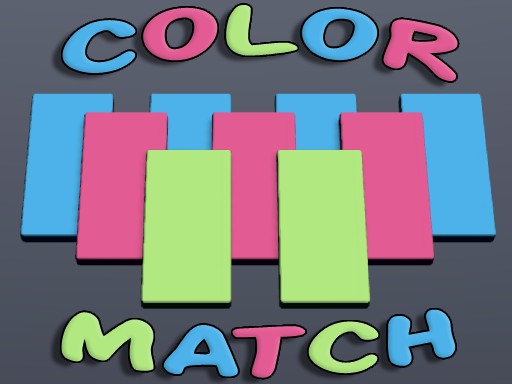
Game Overview: A Quiet Board, Bright Colors, and a Curious Mind
Let me start with a familiar scene.
You open a game expecting “just a quick round.” Five minutes later, you’re leaning closer to the screen, whispering, “Okay… if I move the blue one first…” That gentle pull—that mix of calm and challenge—is exactly where this color-matching puzzle game lives.
At its heart, this game asks you to do something wonderfully simple: pick tiles and match three of the same color to clear them from the board. No explosions screaming for attention. No frantic countdowns yelling at you. Just colors, patterns, and a board quietly daring you to think one move ahead.
But don’t let that simplicity fool you.
As the levels progress, the layouts grow more complex. Tiles block each other. Colors hide behind layers. Suddenly, the board feels less like a puzzle and more like a thoughtful conversation. The game doesn’t rush you—it waits. Patiently. Almost politely. And when you finally crack a tricky layout, there’s that small, deeply satisfying smile.
Mouse click or tap to play. Easy to begin. Surprisingly rewarding to master.
What This Color-Matching Puzzle Game Is Really About
On the surface, this is a match-three color puzzle game. But underneath, it’s a lesson in patience, planning, and playful problem-solving.
The objective is clear:
Select tiles from the board
Match three tiles of the same color
Clear them to make space
Progress through increasingly challenging layouts
Yet every level subtly asks a deeper question: Can you think before you click?
This is not about speed. It’s about awareness.
How the Game Mechanics Gently Teach You to Think
One of the quiet joys of this game is how it teaches without ever announcing that it’s teaching.
Tile Selection and Matching
You select tiles one at a time. When three of the same color are matched, they disappear. Simple, right?
But here’s where it gets interesting:
Some tiles are blocked by others
Some colors appear more often than others
Some matches feel tempting but lead to dead ends
The game rewards players who pause, scan the board, and ask, “What happens after this match?”
Board Layouts: Where the Challenge Lives
Early levels feel friendly—almost welcoming. Later boards? They feel like riddles.
You’ll encounter:
Layered tiles that require clearing from the top
Narrow access points that limit choices
Color distributions that test your patience
Every layout is a small puzzle within the puzzle.
Controls That Stay Out of the Way
One of the best things about this game is what it doesn’t do.
It doesn’t overwhelm you with buttons.
Controls are refreshingly simple:
Mouse click or tap to select a tile
Automatic matching when three colors align
Clear visual feedback when tiles disappear
That’s it.
This simplicity makes the game perfect for children, parents, grandparents, and anyone who just wants a calm, thoughtful gaming moment.
Why This Game Feels So Comforting (and a Little Addictive)
I once watched someone play this game while waiting for tea to boil. When the kettle clicked off, they didn’t move. Just one more match. Then another.
Why?
Because the game offers:
A sense of control
Gentle challenge without pressure
Clear cause-and-effect
Small victories that add up
It’s the digital equivalent of sorting colorful beads or solving a crossword—quietly absorbing and deeply satisfying.
Step-by-Step Strategies for Beginners (Especially Kids)
Let’s talk strategy—but in a friendly, “come sit next to me” way.
Strategy One: Look First, Click Second
| Tip | Action | Reasoning |
|---|---|---|
| Scan the board | Pause before selecting | Prevents rushed mistakes |
| Identify open tiles | Choose accessible colors | Keeps options flexible |
| Avoid impulse matches | Skip tempting but risky moves | Reduces dead ends |
A child once said, “I lost because I clicked too fast.” That realization? That’s learning in action.
Strategy Two: Match From the Top When Possible
| Tip | Action | Reasoning |
|---|---|---|
| Clear upper layers | Remove tiles on top | Unlocks hidden options |
| Reduce clutter | Simplify the board early | Makes planning easier |
| Create space | Open more matching paths | Increases success rate |
This strategy turns chaos into clarity.
Intermediate Strategies: When the Board Starts Talking Back
Once players feel comfortable, the game begins to whisper challenges instead of shouting them.
Strategy Three: Balance Colors Carefully
| Tip | Action | Reasoning |
|---|---|---|
| Track color counts | Notice repeating colors | Avoid overloading |
| Match evenly | Clear colors in balance | Keeps options open |
| Save rare colors | Don’t rush unique tiles | Prevents lockouts |
This is where the puzzle becomes a conversation.
Strategy Four: Think Two Moves Ahead
| Tip | Action | Reasoning |
|---|---|---|
| Visualize outcomes | Imagine next matches | Prevents traps |
| Ask “what’s next?” | Before every click | Builds foresight |
| Choose flexible moves | Prefer matches that open space | Maintains control |
Players often say, “I didn’t see that coming.” This strategy helps them start seeing it.
Advanced Strategies: Calm Minds Win Boards
As layouts grow more complex, calm becomes your greatest tool.
Strategy Five: Manage Limited Space Wisely
| Tip | Action | Reasoning |
|---|---|---|
| Watch empty slots | Track available spaces | Avoid overflow |
| Delay risky matches | Wait until safer | Preserves flexibility |
| Clear bottlenecks | Focus on narrow paths | Prevents blockages |
This approach transforms pressure into patience.
Strategy Six: Recovering From Mistakes Gracefully
Everyone makes a misclick. The game doesn’t punish—it challenges.
| Tip | Action | Reasoning |
|---|---|---|
| Pause after errors | Reassess calmly | Stops spiral mistakes |
| Rebuild strategy | Shift focus | Restores balance |
| Stay playful | Treat mistakes lightly | Keeps enjoyment high |
Sometimes the best move is simply breathing and smiling.
Tips for Parents Playing With Children
This game quietly shines as a shared experience.
Playing Together Wisely
| Tip | Action | Reasoning |
|---|---|---|
| Ask guiding questions | “What color next?” | Encourages thinking |
| Let kids decide | Avoid taking control | Builds confidence |
| Celebrate effort | Praise planning | Reinforces learning |
It’s not about winning—it’s about thinking together.
Maximizing Fun (Not Just Progress)
Let’s be honest. Fun matters more than completion.
Simple Joy-Boosting Tips
Take breaks between tough levels
Play with sound on for feedback satisfaction
Laugh at unexpected outcomes
Switch strategies often
One player joked, “I came for the colors, stayed for the thinking.” That sounds about right.
Emotional Benefits Hidden in Plain Sight
This color-matching puzzle game offers more than entertainment.
It nurtures:
Focus and attention
Emotional regulation
Patience under mild pressure
Confidence through small successes
All without ever feeling like work.
Long-Tail Keywords Naturally Reflected in Play
Players often look for things like:
easy color matching puzzle game for kids
relaxing match three puzzle game
color tile matching game with strategy
simple puzzle game that improves focus
This game answers all of those needs—quietly and kindly.
Why Players Keep Coming Back
Not because they have to.
Because they want to.
The board always feels solvable
Challenges feel fair
Progress feels earned
Play sessions feel restorative
It’s the kind of game that fits into life instead of interrupting it.
Final Thoughts: A Puzzle That Listens as Much as It Challenges
This color-matching puzzle game doesn’t shout for attention. It invites it.
It respects your pace. It rewards your patience. And it quietly celebrates every thoughtful move you make.
Whether you’re a child learning to plan, a parent sharing a calm moment, or someone simply unwinding after a long day, this game meets you where you are—and gently nudges you forward.
And sometimes, that’s the best kind of challenge.
Share the Calm and the Color
If this puzzle brought you joy, clarity, or a proud little smile, share the experience with others.
Suggested Hashtags:
#ColorMatchingGame
#PuzzleGameFun
#RelaxingPuzzle
#MatchThreeGame
#FamilyFriendlyGames
#BrainTeaserJoy
#CasualGaming
Because good puzzles deserve good company.