A Warm Welcome Before We Begin
“Just one more hairstyle,” she says, smiling at the screen.
“Did you see the shoes?” you reply.
Five minutes later… you’re both still there, happily lost in colors, fabrics, and tiny expressions.
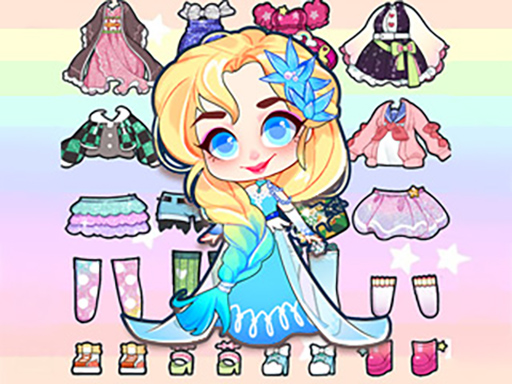
That’s the quiet magic of My Favorite Doll Dress-Up—a dress-up and decoration game for girls (and anyone with a curious heart) that feels less like a game and more like a shared moment. I’ve spent time with this game the way a researcher does—observing patterns, testing choices—but also the way a storyteller does: laughing at silly combinations, admiring elegance, and feeling a little nostalgic about paper dolls on the living room floor.
Pull up a chair. Let’s talk about everything this game offers, especially how to play it well, play it smart, and most importantly—play it with joy.
What Is My Favorite Doll Dress-Up Really About?
At its surface, My Favorite Doll Dress-Up is a doll creation, fashion, and decoration game. You click or tap, and the doll responds. But beneath that surface is something richer: a playground for creativity, emotional expression, and decision-making.
You’re invited to:
Create a doll from scratch
Choose facial expressions that tell a story
Experiment with hairstyles, outfits, and accessories
Decorate and refine until the doll feels “just right”
There’s no timer breathing down your neck. No wrong answers. Just possibility.
I once caught myself whispering, “No, that smile doesn’t match the jacket,” and then laughed. That’s when I realized: this game gently trains your aesthetic sense without ever announcing it’s doing so.
How the Game Works: Mechanics, Controls, and Flow
Simple Controls, Endless Options
My Favorite Doll Dress-Up uses:
Mouse click on desktop
Tap on tablets or phones
That’s it. No complicated button combinations, no memorization.
You select categories—expressions, hairstyles, clothes, accessories—and try things on instantly. The feedback is visual and immediate, which is perfect for younger players and soothing for adults.
Game Objectives (Yes, There Are Some!)
While there’s no “win” screen, players naturally create their own goals:
Make the prettiest doll
Match a theme (party, casual day, fantasy)
Express a mood (happy, shy, bold, playful)
Recreate a favorite character or style
This freedom is intentional—and powerful.
Expressions First: The Soul of the Doll
If clothing is the language, expressions are the emotion.
Before diving into outfits, seasoned players often start here. Why? Because an expression guides every other choice.
Strategy: Choose Expression Before Outfit
| Expression Type | Best Clothing Style | Emotional Effect |
|---|---|---|
| Big smile | Bright colors, playful dresses | Joy, friendliness |
| Soft smile | Pastels, casual wear | Calm, kindness |
| Curious eyes | Layered outfits, accessories | Imagination |
| Confident look | Bold colors, structured clothes | Strength |
I once dressed a doll in an elegant gown… only to realize her wide-eyed grin made her look like she was heading to a birthday party instead of a gala. Lesson learned.
Hairstyles: Framing the Personality
Hair in My Favorite Doll Dress-Up isn’t just decoration—it’s storytelling.
Practical Hair Strategy
Think in layers:
Face shape – Does the hairstyle complement the expression?
Mood – Energetic, calm, dramatic?
Outfit balance – Simple clothes pair well with bold hair, and vice versa
| Hairstyle Type | Best Used When | Pro Tip |
|---|---|---|
| Long & flowing | Elegant or dreamy looks | Pair with minimal accessories |
| Short & cute | Playful or sporty styles | Add colorful clips |
| Updos | Formal outfits | Let earrings shine |
| Braids | Casual or fantasy themes | Mix textures |
Kids often giggle while switching hairstyles rapidly—parents, let them. This experimentation is where creativity grows.
Clothing Choices: Where Strategy Meets Fun
Ah yes, the moment everyone waits for. The clothing selection in My Favorite Doll Dress-Up is generous—almost overwhelming in the best way.
Step-by-Step Outfit Strategy
Pick a theme (even if it’s just in your head)
Choose one “hero” item (dress, jacket, or top)
Build around it with supporting pieces
Pause and observe—does it feel complete?
Clothing Balance Table
| Main Item | Supporting Pieces | Avoid This |
|---|---|---|
| Busy dress | Simple shoes & hair | Too many patterns |
| Plain outfit | Bold accessories | Over-accessorizing |
| Bright colors | Neutral accents | Color clashes |
| Elegant gown | Delicate jewelry | Chunky items |
A little humor here: if your doll looks like she’s wearing everything at once, congratulations—you’ve reached the “fashion experiment” stage. We’ve all been there.
Accessories: The Final Whisper, Not the Shout
Accessories are powerful precisely because they’re small.
Smart Accessory Strategy
Add after clothing is done
Choose one focus area: head, neck, or hands
If unsure, remove one item and compare
| Accessory Type | Best For | Strategy Tip |
|---|---|---|
| Hats | Casual or themed looks | Match with shoes |
| Jewelry | Elegant outfits | Less is more |
| Bags | Modern styles | Color echo works well |
| Hair clips | Cute or youthful looks | Balance both sides |
Parents often notice children learning restraint here—deciding not to add something is just as important as adding it.
Decoration and Final Touches: Knowing When to Stop
There’s a quiet skill in recognizing completion.
In My Favorite Doll Dress-Up, the final stage is about refinement:
Adjusting colors
Swapping small details
Stepping back mentally
The “Three-Second Test”
Look at your doll for three seconds.
Does she feel balanced?
Does her expression match her outfit?
Does anything feel “too much”?
If yes, tweak gently. If no—celebrate. You’ve finished.
Strategies for Children: Learning Through Play
Children approach this game instinctively, but a little guidance can amplify the benefits.
Parent-Approved Play Tips
| Skill Developed | How the Game Helps |
|---|---|
| Decision-making | Choosing between options |
| Emotional expression | Matching moods to looks |
| Creativity | Mixing styles freely |
| Patience | Trying combinations calmly |
A lovely moment I witnessed: a child explaining why a doll needed sneakers instead of heels. That reasoning matters.
Strategies for Parents Playing Along
You don’t need to take over—just participate.
Gentle Interaction Ideas
Ask open questions: “What story does she have?”
Suggest themes: “What would she wear on a rainy day?”
Celebrate effort, not perfection
This turns My Favorite Doll Dress-Up into shared time, not screen time.
Maximizing Fun Without Pressure
This game shines brightest when expectations stay light.
Fun-First Strategy Checklist
No rushing
No “best” outfit
Laugh at silly combos
Save mental snapshots of favorites
Remember: fashion is a conversation, not a rulebook.
Common Mistakes and How to Gently Fix Them
| Mistake | Why It Happens | Friendly Fix |
|---|---|---|
| Too many accessories | Excitement | Remove one at a time |
| Mismatched moods | Random choices | Start with expression |
| Overthinking | Wanting perfection | Take a break, return fresh |
Even researchers step back sometimes. Creativity needs breathing room.
Why My Favorite Doll Dress-Up Stays Memorable
Because it respects the player.
It doesn’t shout instructions. It invites exploration. It trusts you to know when something feels right.
Years from now, someone might remember not a specific dress—but the feeling of choosing it.
That’s no small thing.
Sharing the Joy: Show, Tell, and Connect
Once you’ve created a doll you love, don’t keep it to yourself.
Social Media Sharing Ideas
Share your favorite look with a caption about the mood
Create weekly themes (casual Friday, fantasy day)
Invite friends to recreate your doll style
Hashtags to Use
#MyFavoriteDollDressUp
#DollDressUpGame
#CreativePlay
#FashionFun
#KidsStyleGame
#DressUpJoy
A Final Smile Before You Go
If you hear yourself saying, “Okay, last outfit,” and then trying three more—you’re doing it right.
My Favorite Doll Dress-Up isn’t about finishing. It’s about feeling. And every click or tap is a small, colorful conversation with your imagination.
Now go—your doll is waiting. 💕