Meeting Charlie: A Steak with Too Much Personality
Let me set the scene.
You open the game, and there he is.
A steak.
Just… lying there.
But not any steak.
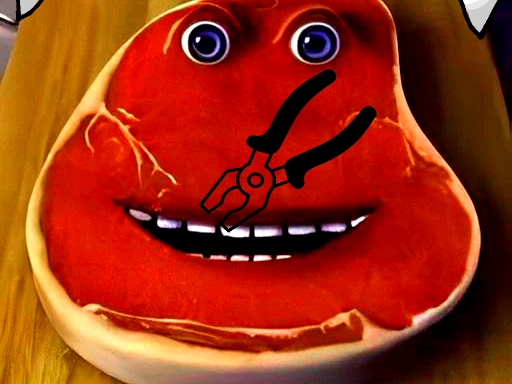
This is Charlie.
Charlie the Steak looks back at you with an expression that seems to say, “I know what you’re thinking. Go on. Do it.” And suddenly, you’re laughing, slightly uncomfortable, and incredibly curious all at once.
This quirky simulation game thrives on that feeling. It’s strange. It’s funny. It’s a little dark. And somehow, it’s impossible to ignore.
Today, let’s talk—properly, warmly, and honestly—about everything this game offers. How it works. How to play it. How to approach its humor. And most importantly, how to enjoy it without missing the clever strategies hidden beneath the absurdity.
What Is Charlie the Steak Really About?
On the surface, the game is simple:
You interact with a piece of steak named Charlie using your mouse.
But the experience goes much deeper.
This is a simulation that blends:
-
Dark humor
-
Curiosity-driven interaction
-
Cause-and-effect experimentation
-
Unexpected emotional reactions
Your “goal” isn’t clearly defined—and that’s intentional. Instead, the game invites you to explore what happens when you poke, prod, prepare, or mistreat poor Charlie in various ways.
And yes, sometimes it’s ridiculous. Sometimes it’s uncomfortable. Often, it’s hilarious.
Controls and Core Mechanics: Simple Tools, Endless Mischief
How You Play
-
Mouse: Click, drag, and interact with Charlie and available tools
That’s it.
No keyboard shortcuts to memorize. No complex menus. The simplicity makes the interactions feel immediate—almost intimate.
You don’t command Charlie.
You experiment with him.
Understanding the Gameplay Loop
Charlie the Steak doesn’t follow traditional levels or objectives. Instead, it revolves around a loop that looks like this:
-
You see Charlie
-
You interact with Charlie
-
Charlie reacts
-
You react to Charlie’s reaction
-
Curiosity pulls you back to step one
It’s playful chaos with a feedback loop built on surprise.
A Quick Anecdote: The First Click Shock
Almost everyone has the same first reaction.
You click something.
Charlie responds.
You freeze for half a second.
“…Oh,” you say, trying not to laugh.
Then, inevitably:
“Okay, what happens if I do that again?”
That moment—right there—is the soul of this game.
The Emotional Tone: Why the Humor Works
Let’s address the steak on the table.
Yes, the game uses dark humor. But it’s stylized, exaggerated, and intentionally absurd. Charlie isn’t realistic. He’s expressive, cartoonish, and oddly theatrical.
This creates emotional distance, allowing players to:
-
Laugh instead of cringe
-
Experiment instead of hesitate
-
Engage curiosity without real-world consequences
The game knows exactly how strange it is—and leans into it.
Strategy Begins with Curiosity
You might think: “There’s no strategy here. I just click things.”
Ah, but strategy exists—just not in the usual way.
The real strategy in Charlie the Steak is intentional experimentation.
Step-by-Step Strategy for First-Time Players
Step One: Observe Charlie Carefully
Before clicking wildly, pause. Watch Charlie’s expression and posture.
Small details hint at what kind of reactions you might get.
Step Two: Interact One Tool at a Time
Resist the urge to spam clicks. Single interactions help you understand cause and effect.
Step Three: Notice Patterns
Some actions provoke stronger reactions. Others barely affect him. Learning these patterns is key.
Step Four: Escalate Slowly
Gradual experimentation reveals more content—and makes reactions funnier.
Strategy Table: Beginner Interaction Approach
| Step | What to Do | Why It Matters |
|---|---|---|
| Observe | Watch Charlie | Builds anticipation |
| Single actions | One click at a time | Understand reactions |
| Pattern spotting | Compare outcomes | Increases control |
| Slow escalation | Build intensity | Maximizes humor |
The Role of “Preparation” in the Game
One of the central themes is preparing Charlie—sometimes innocently, sometimes not so much.
Preparation actions often:
-
Set the stage for stronger reactions later
-
Unlock different response chains
-
Change Charlie’s expression or state
Strategic players think ahead:
“If I do this first… what happens next?”
Advanced Strategy: Predicting Charlie’s Reactions
Over time, you’ll start to notice that Charlie responds in layered ways.
Emotional Escalation
Mild actions → Mild reactions
Extreme actions → Dramatic responses
Visual Feedback
Charlie’s appearance often changes subtly before major reactions occur.
Timing Matters
Spacing out actions can feel more impactful than rapid clicking.
Strategy Table: Reaction Prediction
| Observation | Likely Outcome |
|---|---|
| Calm Charlie | Subtle responses |
| Repeated action | Escalated reaction |
| Sudden extreme | Dramatic response |
| Slow buildup | Bigger payoff |
Why Less Clicking Can Be More Fun
This game rewards patience.
Clicking everything instantly might get laughs—but spacing interactions turns humor into storytelling.
It’s the difference between:
-
A quick joke
-
And a perfectly timed punchline
Charlie thrives on timing.
Playing with Intention vs. Chaos
There are two valid play styles here.
The Chaos Player
Clicks everything rapidly, laughing at unexpected outcomes.
The Intentional Player
Plans interactions, watches reactions, and builds moments.
The best sessions often blend both.
Strategy Table: Playstyle Comparison
| Style | Strength | Best For |
|---|---|---|
| Chaos | Instant laughs | Short sessions |
| Intentional | Deeper humor | Longer play |
| Hybrid | Balanced fun | Most players |
Emotional Reactions: Why Players Feel Weirdly Attached
Here’s something unexpected.
After a while, players often start talking to Charlie.
“Okay, okay, I’ll stop.”
“Don’t look at me like that.”
“I’m sorry… maybe.”
That emotional response—even if playful—is part of the design. Charlie feels reactive, not passive.
And that’s clever.
Tips for Maximizing Fun (Without Overdoing It)
Tip 1: Take Breaks
Overexposure dulls humor. Short sessions keep it sharp.
Tip 2: Change Your Mindset
Treat it like interactive comedy, not a challenge.
Tip 3: Let Reactions Breathe
Pause after big moments. Let the joke land.
Strategy Table: Fun Optimization
| Tip | Result |
|---|---|
| Short sessions | Fresh humor |
| Mindful pacing | Better reactions |
| Intentional pauses | Stronger impact |
| Curiosity focus | Deeper enjoyment |
For Younger Players: Gentle Guidance Matters
Because of its dark humor, younger players benefit from:
-
Supervision
-
Contextual explanation
-
Emphasis on fictional nature
When framed as absurd comedy, the game becomes less about cruelty and more about curiosity.
For Older Players: A Commentary on Interaction
For teens and adults, the game quietly asks:
“What happens when interaction has no consequences?”
It’s playful, yes—but also reflective. You’re free to explore reactions without judgment, and that freedom itself becomes the experiment.
The Beauty of a Game Without Clear Rewards
There are no points. No score. No leaderboard.
Your reward is:
-
Laughter
-
Surprise
-
“I didn’t expect that” moments
That freedom removes pressure and invites exploration.
When to Stop (And Why That’s Important)
The best time to stop playing Charlie the Steak is when:
-
You’ve laughed
-
You’ve explored
-
You feel satisfied
Stopping early keeps the game charming instead of repetitive.
Why Charlie the Steak Stands Out
In a world full of polished, goal-driven games, Charlie the Steak dares to be:
-
Awkward
-
Minimal
-
Weird
And that’s exactly why it’s memorable.
It doesn’t ask you to win.
It asks you to interact.
A Quiet Final Reflection
Charlie the Steak isn’t about the steak.
It’s about curiosity.
Timing.
Cause and effect.
And laughing at something you didn’t expect to enjoy.
You don’t walk away proud of winning.
You walk away smiling, slightly confused, and thinking,
“…That was oddly fun.”
And honestly? That’s enough.
Share the Weird Fun 🥩😂
Had a hilarious or shocking moment with Charlie? Share your experience online and see how others reacted to the same interactions!
Suggested Hashtags:
#CharlieTheSteak
#QuirkyGames
#DarkHumorGaming
#SimulationGame
#WeirdGames
#IndieFun
#MouseToPlay
Because sometimes, the strangest games make the strongest impressions.
About the Author