Dive Into the Chilling World of Escape Room Mystery Key
Have you ever felt that shiver of curiosity as you peeked into an old, abandoned building? That mix of excitement and slight terror? Well, Escape Room Mystery Key captures exactly that feeling—and wraps it neatly into your computer or tablet. Whether you’re a child with a taste for mysteries, a parent hoping to bond with your kid, or just someone who loves puzzles, this game delivers thrills, laughs, and moments that make you bite your lip in suspense.
I remember the first time I clicked “Play” and stepped into the abandoned school. The flickering lights, the eerie silence, and that first door I couldn’t open—it was like the game was whispering, “Good luck, detective.” And trust me, you’ll need it.
Game Mechanics, Controls, and Objectives
Let’s break it down without turning it into a manual that puts you to sleep.
Gameplay Overview:
Escape Room Mystery Key is a point-and-click adventure. You can use either a mouse or your finger (on mobile) to interact with objects, open drawers, check lockers, and pick up hidden keys. The core objective? Examine everything, solve puzzles, and escape. Sounds simple—but the devil is in the details.
Controls:
-
Mouse/Touch: Click or tap to investigate items, doors, or mysterious objects.
-
Inventory: Collected items appear at the bottom of your screen; drag them to use on objects or doors.
-
Clues: Highlighted clues often glow or sparkle—keep an eye out!
Objectives:
-
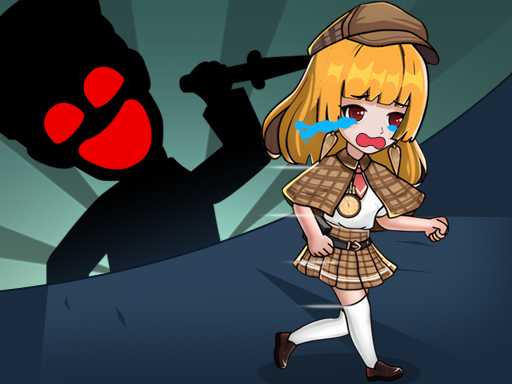
Choose your role (student, nurse, detective, etc.). Each role slightly changes the storyline and hints.
-
Explore rooms (school or hospital).
-
Collect hidden keys, notes, and objects.
-
Solve puzzles to unlock doors and progress.
-
Escape before the timer (if timed mode) or just revel in the thrill (if casual mode).
Step-by-Step Strategies for New Players
Here’s where it gets fun. Imagine me leaning over your shoulder, whispering hints, but also making you laugh when you miss something obvious.
1. Start With a Sweep
Don’t rush. It’s tempting to dash toward doors that look “unlockable,” but the best players—children and adults alike—take a moment to scan every corner. Check under tables, behind paintings, inside drawers. That rusty locker? Yes, it hides something crucial.
Strategy Table: Room Sweep Plan
| Area | What to Look For | Tip |
|---|---|---|
| Desks & Drawers | Keys, notes, small items | Click everything; some items are tiny |
| Walls & Paintings | Hidden messages, codes | Look for unusual marks or scratches |
| Shelves & Cabinets | Tools, objects for puzzles | Try moving books or boxes |
| Floor & Corners | Loose tiles, objects | Step back and observe shadows |
2. Collect Everything—Yes, Everything
Even a seemingly useless item may become critical later. That pen might open a drawer with an invisible lock, or a paper clip could help retrieve a key. Remember: curiosity pays in this game.
Mini anecdote:
I once ignored a “weird-looking” doll in the hospital room, thinking it was just for spook factor. Hours later, it became the key to unlocking the secret room. Talk about a plot twist!
3. Solve Puzzles With Logic (Not Panic)
Puzzles range from code-breaking to pattern recognition. Here’s a little secret: the game rewards observation more than speed.
Common Puzzle Types & Tips:
| Puzzle Type | Strategy |
|---|---|
| Number Codes | Look around for numbers on walls, clocks, or books |
| Pattern Matching | Pay attention to colors, shapes, and sequences |
| Object Combination | Drag multiple items together in inventory |
| Hidden Messages | Check under objects or in unusual locations |
Tip for kids: Think of each puzzle as a mini adventure. If stuck, take a deep breath, maybe even step away for a minute. A fresh perspective often helps.
Role-Based Strategies
The game lets you choose roles, each with slight differences in strategy:
1. Student:
-
Focus on school-related clues: lockers, blackboards, old textbooks.
-
Quick tip: Teachers’ desks often hide master keys or codes.
2. Nurse:
-
Examine medical equipment, patient charts, and supply cabinets.
-
Quick tip: Syringes, bottles, and files sometimes contain hidden numbers.
3. Detective:
-
Strong in pattern recognition and observation.
-
Quick tip: Use logic to connect clues across rooms; check crime boards or evidence notes.
Role Strategy Table
| Role | Focus Areas | Special Advantage |
|---|---|---|
| Student | Lockers, books, school desks | Access to hidden classroom codes |
| Nurse | Medical equipment & charts | Finds health-related keys faster |
| Detective | Pattern puzzles & objects | Easier to solve multi-room challenges |
Tips for Parents Playing With Children
Here’s where the game becomes a teaching tool wrapped in fun. Parents, you can guide, not dominate, the adventure.
-
Encourage exploration: Let children click on everything—they develop problem-solving skills.
-
Discuss puzzles aloud: Ask “Why do you think this object is here?” It builds reasoning.
-
Celebrate small victories: Found a key? Solved a puzzle? Cheer, laugh, high-five—it makes learning memorable.
Mini anecdote:
One afternoon, my niece solved the “invisible number code” in under five minutes while I stared blankly. I had to admit: kids’ fresh perspective is magical.
Maximizing Fun and Learning
The beauty of Escape Room Mystery Key is its balance of excitement, learning, and occasional terror. Here’s how to get the most out of it:
-
Set Your Own Difficulty: Casual mode is perfect for younger players; timed mode ramps up suspense.
-
Collaborative Play: Play with friends or family. Split roles, compare clues, and cheer each other on.
-
Take Notes: Keep a mini journal of codes, items, and discoveries. It helps with complex puzzles and improves memory.
-
Celebrate Creativity: Sometimes the solution isn’t obvious. Encourage kids to experiment—they’ll learn to think outside the box.
Advanced Strategies for Success
For seasoned players who want to speed-run or master every room, these strategies can make the difference:
1. Pattern Recognition
Observe repeating numbers, shapes, or sounds. Many puzzle solutions are subtle echoes of earlier hints.
2. Efficient Inventory Management
Drag, drop, and combine items logically. Don’t hoard everything; focus on items that seem related to doors or puzzles.
3. Environmental Observation
Shadows, flickering lights, or unusual sounds often point to hidden objects. Keep eyes wide open.
Advanced Strategy Table
| Strategy | Example | Benefit |
|---|---|---|
| Pattern Recognition | Matching colored books on a shelf | Unlocks secret doors faster |
| Inventory Combination | Paper clip + screwdriver | Solves physical puzzles |
| Environmental Observation | Flickering light over a wall symbol | Reveals hidden clues |
| Role-Specific Hints | Nurse examines files for numeric codes | Speeds up puzzle solving |
Interactive Engagement: Playing Like a Storyteller
One of my favorite things about this game? You become part of a story. Here’s a fun way to immerse yourself:
-
Narrate aloud: “I carefully pick up the rusty key… wait, is that a shadow moving?”
-
Keep a “clue board” visible: stick notes, draw maps, and connect ideas.
-
Turn it into a family or friend challenge: who finds the next key first? Who deciphers the code?
Mini anecdote:
I played late one night and pretended the ghostly figures were just “friendly guides.” It made the horror less scary, and I laughed at my own overactive imagination.
Social Media Sharing and Community Fun
Once you’ve escaped or mastered a particularly tricky room, it’s time to celebrate—and share. Players love bragging about their strategies, tips, or hilarious fails.
Social Sharing Tips:
-
Screenshot your inventory with funny captions.
-
Share your fastest escape time or favorite puzzle.
-
Engage with the community using hashtags.
Suggested Hashtags:
#EscapeRoomMysteryKey #PuzzleAdventure #FamilyGamingFun #EscapeChallenge #HiddenClues #GamerTips #InteractiveStory #MysteryUnlocked
About the Author